
Every farmer makes a bet at planting time. You decide what to grow, how much to put in, and when it will be ready, all months before the first customer ever walks up to the stand. By the time you find out whether you guessed right, the season is already half over.
Last month we talked about figuring out who your customers are. This month we tackle the other half: figuring out what those customers actually want to buy — and how to test that without betting the season on a hunch.
The good news is that the Frederick County market is rewarding farms that pay attention. Horticulture sales in the county grew from $5.6 million in 2012 to $9.7 million in 2022, and greenhouse vegetable and tomato production has trended steadily upward. Value-added operations tell an even bigger story. Between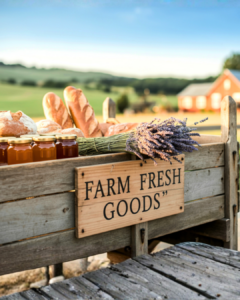 2017 and 2022, the number of Frederick County farms producing value-added products grew from 77 to 99, generating more than $13.5 million in sales. That is real money walking off farms in the form of jam, salsa, baked goods, cut bouquets, prepared meals, and cured meats — products that did not exist on most of those farms a decade ago.
Test small before you scale. The most expensive mistake a farm can make is to invest in a new product line or a new acre of something based on a gut feeling. A small-batch trial almost always pays for itself, even when it fails. Bake fifty pies, not five hundred. Plant a quarter-row of an unfamiliar variety, not a whole field. Put twelve jars of a new preserve on the counter for two weeks and watch what happens. Customers will tell you very quickly what is worth scaling and what is not.
Listen for the same question twice. When a customer asks whether you carry something — eggs, honey, cut flowers, salsa, gluten-free baked goods — write it down. The first request is curiosity. The second is a pattern. The fifth is a market opportunity that someone else will fill if you do not. Customer requests are the cheapest market research you will ever do, and most farms throw the data away because nobody is keeping track.
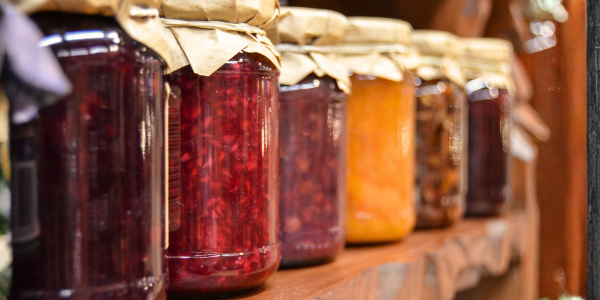
Look up the value chain. Raw produce is a starting point, not a ceiling. A pint of strawberries sells for one price; the same berries in a quart of jam sell for several times more and will survive the season on a shelf instead of going into the compost pile. You do not need a commercial kitchen to start — many county producers begin with a cottage food license, test the concept at farmers markets, and reinvest the proceeds into the next step. The Center for Farm Retail Innovation feasibility study is exploring shared processing infrastructure for 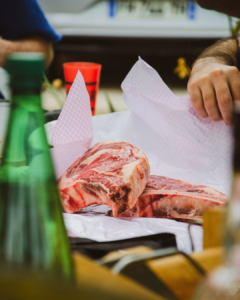 exactly this reason: the next wave of value-added growth will come from farms that do not yet have the kitchen or equipment on their own.
Build seasonal and subscription bundles. A weekly produce box, a holiday gift basket, or a grill pack of meat and produce for a summer cookout makes the buying decision easier and raises your average ticket. Bundles also let you move slower-selling items alongside the favorites — one of the simplest ways to lift margin without raising a price.
Your homework before the next issue: This month, ask five of your regular customers two questions. What do you wish I carried that I do not? What would make you visit more often? Five honest answers will point you toward your next product, your next promotion, and very likely your next thousand dollars in sales.
Next month: Your Farm Is a Store — practical merchandising and layout fixes that turn browsers into buyers.