
 The Maryland Environmental Trust (MET) was established by the Maryland General Assembly in 1967 to conserve and maintain the state’s natural, agricultural, scenic, and cultural resources. Its mission is to inspire and engage citizens to care for and steward the resources that sustain all Marylanders. MET is headed by a Board of Trustees, most of whom serve as volunteers, representing diverse areas of the state and providing expertise from across the public and private sectors. As MET approaches its 60th anniversary, it holds 1,194 conservation easements on 142,000 acres across the state—protecting forests, coastlines, productive agricultural lands, and habitats for a vast array of species.
Because of MET’s longstanding reputation, conservation-focused landowners know they are partnering with an organization of like-minded individuals dedicated to ensuring their land remains protected in perpetuity. Landowners in Frederick County have become vital partners in this endeavor; to date, MET protects over 8,200 acres throughout the county. Land protection here is critically important, as Frederick County is the fastest-developing county in Maryland, putting its agricultural and historical identity at risk.
A prime example of this partnership is the recent conservation of Rum Springs Farm, where landowners Tod and Barry Salisbury donated an easement to MET in December 2025. Throughout their lives, Tod and Barry witnessed the considerable loss of farmland and rural character to suburban development, which deeply influenced their decision to protect their property.
Tod’s parents purchased Rum Springs Farm in the 1960s. According to Tod: “It was a typical mountain farm—the only running water came into a kitchen sink by gravity. My parents installed a pump and plumbing before we moved in. Like many mountain farms, it had several chicken houses, a hog pen, a spring house, a smoke house, and a bank barn. It had an old apple orchard as well as pear, plum, and cherry trees. I milked a Jersey cow while I was growing up, and we drank the milk raw. Eventually, we got enough equipment to make hay and started raising beef cattle. One of our neighbors still keeps a dozen black Angus on the property.”
The Salisburys’ conservation easement will protect approximately 40 acres of open grazing fields, 120 acres of healthy forests, and a freshwater stream that flows into Catoctin Creek, near Catoctin Mountain State Park. “We always had some deer around, but they have proliferated greatly in recent years,” Tod noted. “As a child, I never saw turkeys, bears, or bobcats, and now we have all of those.” The easement protects wildlife by maintaining unencumbered habitats and preserves water quality by requiring vegetative buffers to absorb excess nutrients alongside the spring.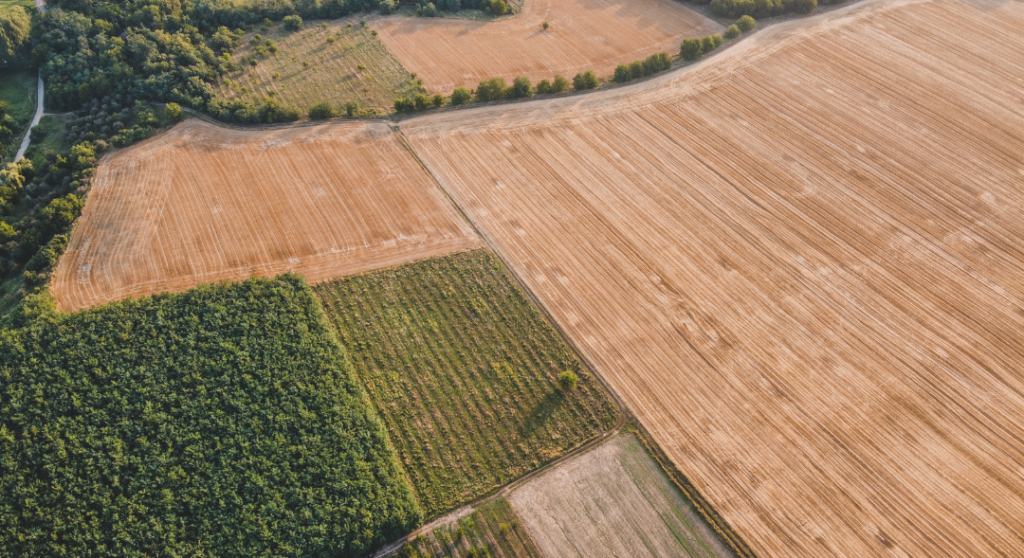
As land conservation organizations strive to meet the state’s goal of protecting 40% of Maryland’s land by 2040, partnerships with passionate landowners remain the key to success.
“My wife, Barry, and I are committed to preserving as much land as we can, and we were pleased that MET gave us a means to do that on this particular farm,” said Tod. “We couldn’t
bear the thought of some future owner chopping our land into lots—and now we don’t have to worry about that, since the MET easement is perpetual.”