
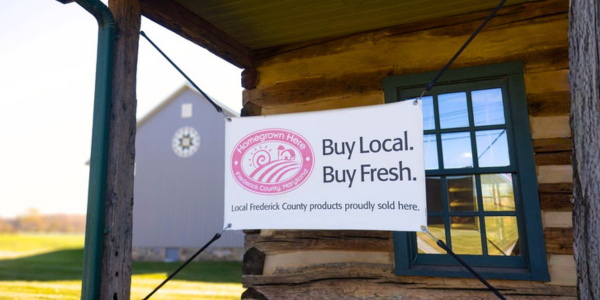
You know your Saturday morning regulars by name. You know who picks up a dozen eggs every week and who shows up in October for pumpkins and nothing else. But if someone asked you to describe your best customer — not by name, but by profile — could you do it?
Most farm operators can’t, and that’s not a criticism. When you’re harvesting, packing, staffing a stand, and managing everything else, customer analysis isn’t top of mind. But the farms that are growing their direct sales in Frederick County are the ones that have figured out who they’re selling to — and who they should be selling to next.
The numbers tell an encouraging story. According to the USDA Census of Agriculture, Frederick County’s direct-to-consumer retail sales — including value-added products — reached nearly $14.8 million in 2022, up from $11.6 million just five years earlier. About 175 farm operations in the county sell directly to consumers. That’s a real market, and it’s growing.
But 175 operations also mean competition for the local shopper’s dollar. The question isn’t whether people in Frederick County want to buy local food — the sales data says they do. The question is whether they’re buying it from you. And the answer to that starts with understanding who “your” customer actually is.
Start with what you already know. Look at your current buyers and ask a few simple questions. Who spends the most per visit? Who comes back most often? What do those people have in common? Are they young families stocking up on produce for the week? Retirees browsing for specialty items? Busy professionals grabbing ready-made products on Saturday morning? Once you see those patterns, you’ve got the beginning of a customer profile.
Now here’s where it gets useful. Think about who in your area looks like those good customers but isn’t shopping with you yet. If young families are your core buyers, where else do young families in Frederick County spend time and money? Those are the people most likely to respond to your outreach, because they already match the profile of someone who values what you offer.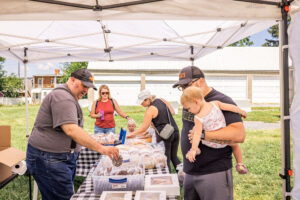
Talk to your current customers, too. A quick “How did you hear about us?” or “What would you tell a friend about our farm?” gives you real insight into what draws people in — and what language to use when you’re trying to attract more people like them.
This type of market research isn’t complicated. It’s paying attention with a little more structure. Every dollar you spend on outreach and every hour you invest in a new product works harder when it’s aimed at the right audience.
Developing this kind of support is also one of the reasons the Center for Farm Retail Innovation feasibility study matters. The CFRI is designed to help Frederick County farmers access the tools, data, and support they need to understand their market and connect with customers more effectively. But good market strategy starts on your own farm, with your own customers, right now.
Here’s your homework before the next issue: This week, keep a simple tally at your point of sale. For each transaction, jot down a rough customer type (young family, retiree, professional, etc.), what they bought, and how they heard about you if you can ask. After seven days, look at the list. You may be surprised by what you find — and you’ll have taken the first step toward growing your sales with purpose.
Next month: Stocking What Sells — how to match your products to what your target customers actually want to buy.